Why Toronto’s Boating Clubs Matter, And Why Highland Yacht Club Is Part of the City's Backbone
Toronto is one of the great waterfront cities in the world. We have a massive lake, miles of shoreline, and a skyline people fly across oceans to photograph. But what often gets overlooked is something far more important than the view.
Access.
Across Toronto’s shoreline, 24 non-profit, volunteer-run boating, sailing, and rowing clubs quietly provide something rare in a big city: affordable, community-driven access to the water. These clubs are not private playgrounds for the wealthy. They are working community institutions that serve families, youth, seniors, newcomers, and people of all abilities.
Highland Yacht Club is proud to be one of them. Read our full 2024 Council of Commodores Toronto Boating Club Report here
A Network of Community Infrastructure, Not Just “Clubs”
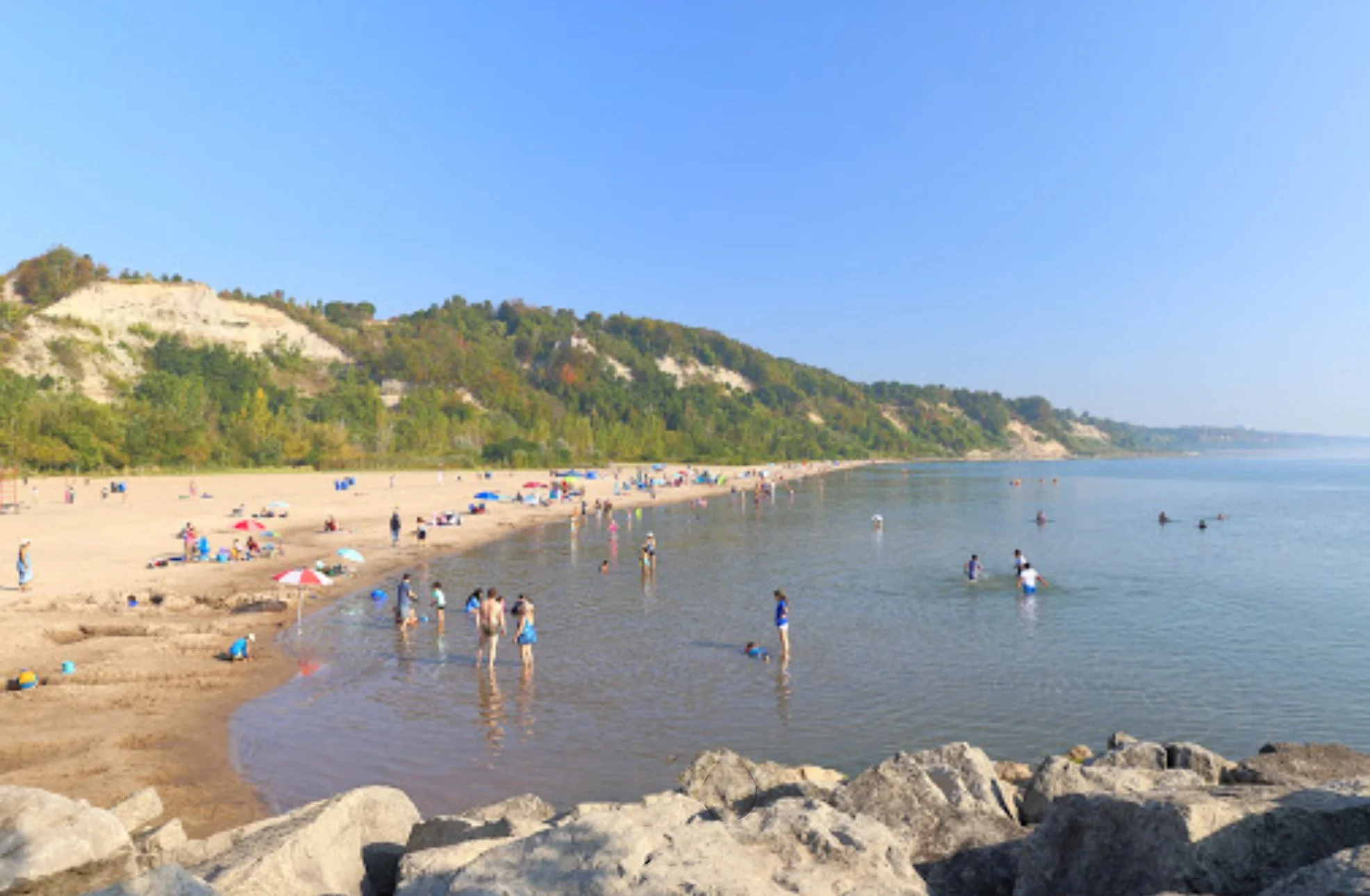
Toronto’s boating clubs collectively serve more than 13,000 members, spouses, and children, and manage over 4,200 boats and more than 1,500 dinghies, kayaks, canoes, and paddleboards. They host thousands of visiting boats every year and operate on land they lease, maintain, and improve themselves.
These clubs built their own clubhouses, docks, ramps, and launch areas. They pay their own bills. They handle their own garbage, recycling, snow clearing, landscaping, utilities, and infrastructure repairs. They also pay rent and property taxes to the City of Toronto, contributing over $1.16 million annually.
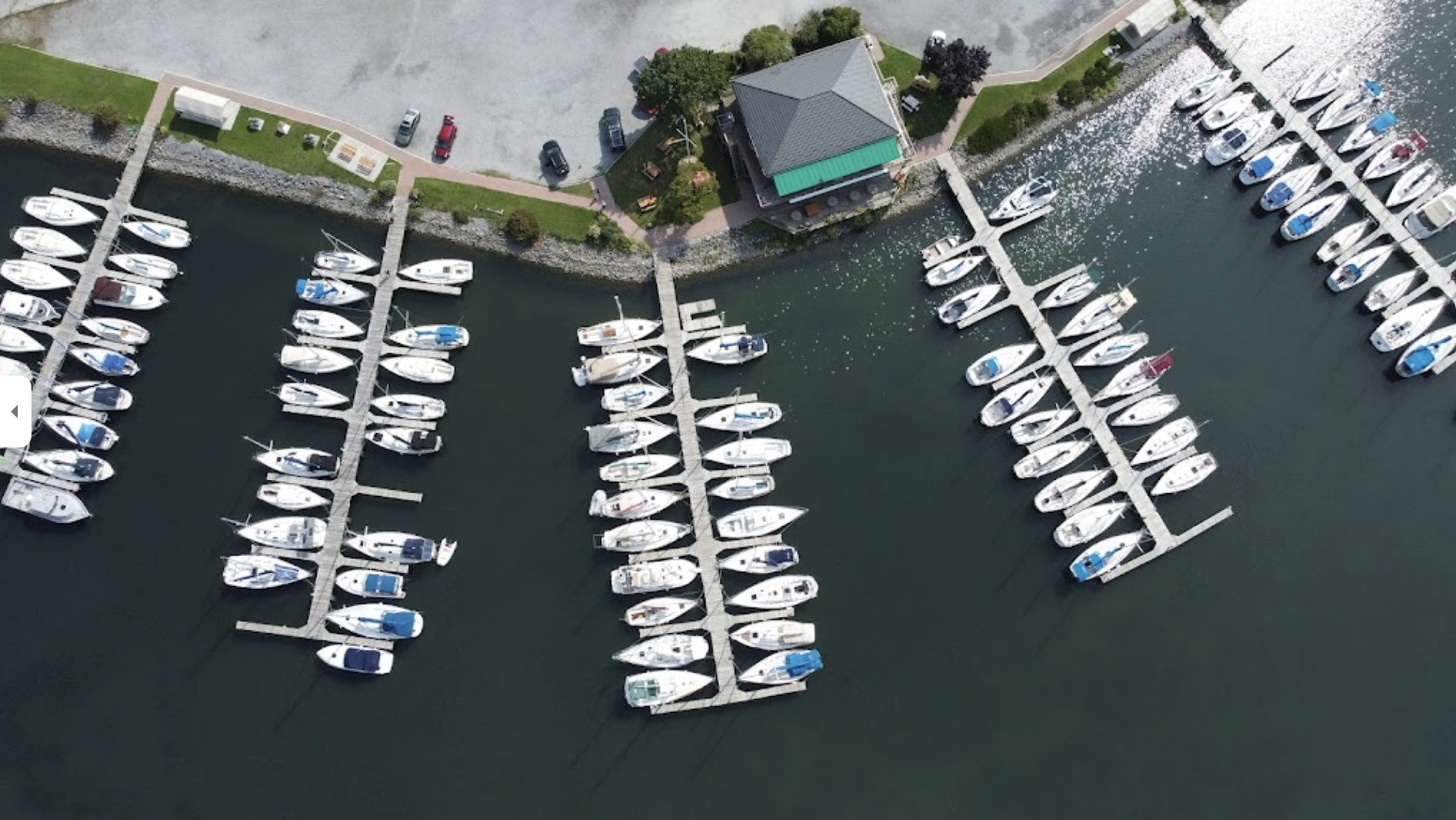
Over the past five years alone, Toronto’s boating clubs have invested more than $24 million of their own money into capital and leasehold improvements. That is not taxpayer money. That is members and volunteers reinvesting directly into Toronto’s waterfront.
More than 80% of club members live in the City of Toronto. These are your neighbours. Your coworkers. Your kids’ teachers. This is not a tourist industry. This is a local one.
Youth, Confidence, and Real Life Skills
One of the least visible but most important impacts of Toronto’s boating clubs is youth development.
Every year, more than 2,700 young people participate in sailing and boating programs across the city. Many of them are not children of members. Many are subsidized. Many are coming from community organizations and schools that would otherwise never be able to offer this kind of experience.
“I got my start at age three on my dad’s 24-foot keelboat at RCYC and I know that Toronto is blessed with an amazing playground called Lake Ontario. It should be treasured, respected, and looked after” – Raines Koby, 1982 World Mistral Windsurfer Champion.
At clubs across the city:
Ashbridge’s Bay Yacht Club served nearly 1,000 youth in one year.
Etobicoke Yacht Club ran multi level programs and employed nine summer students as instructors and coaches.
Outer Harbour Sailing Federation brought 276 youth to camp, with many fully subsidized, including youth with disabilities.
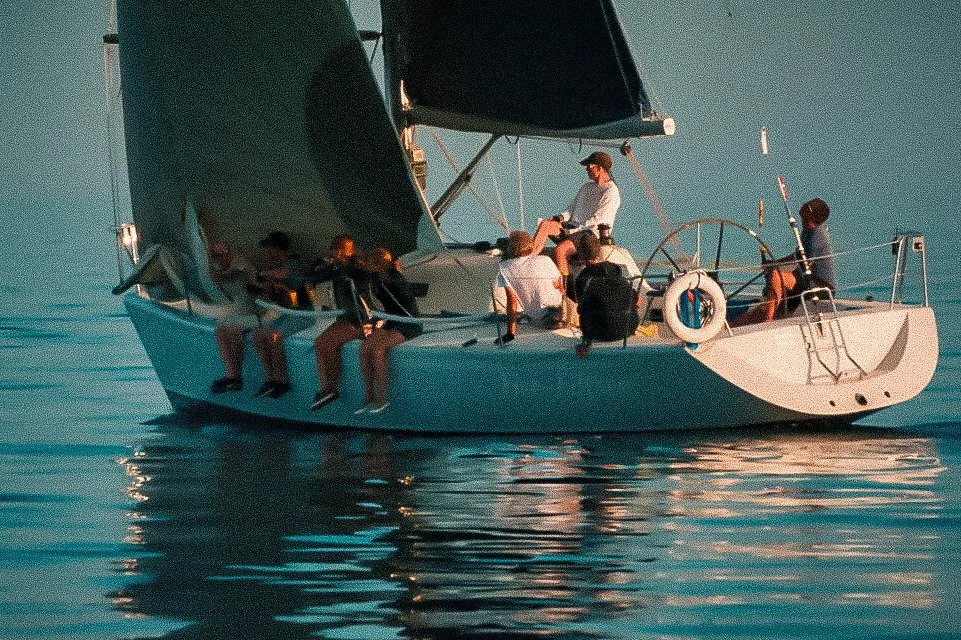
Sailing teaches more than knots and wind angles. It teaches responsibility, teamwork, resilience, confidence, and decision making. You cannot fake your way through a sudden wind shift. You have to adapt, work with others, and stay calm when things get messy. Those are life skills, not just sport skills.
For many kids, this is their first real connection to the lake. And often, it becomes a lifelong one.
Access Matters More Than Ownership
A persistent myth about boating is that you need to own a boat and be wealthy to participate. In Toronto’s club system, that is simply not true.
Many clubs, including Highland Yacht Club, offer:
Crew memberships
Learn to sail programs
Boat share programs
Low cost access options
Club owned boats and equipment

At Highland Yacht Club, annual crew memberships cost $75. That is not a typo. That is less than a gym membership, and arguably more fun.
Across the city, clubs collectively subsidize over 100 community spots per year for people and groups who would otherwise not be able to participate, at a combined value of over $150,000 annually.
This is what real accessibility looks like. Not just words on a website, but actual boats, actual programs, and actual people on the water.
Inclusion and Accessibility Are Not Afterthoughts
Toronto’s boating community has become a leader in accessible sailing and rowing.
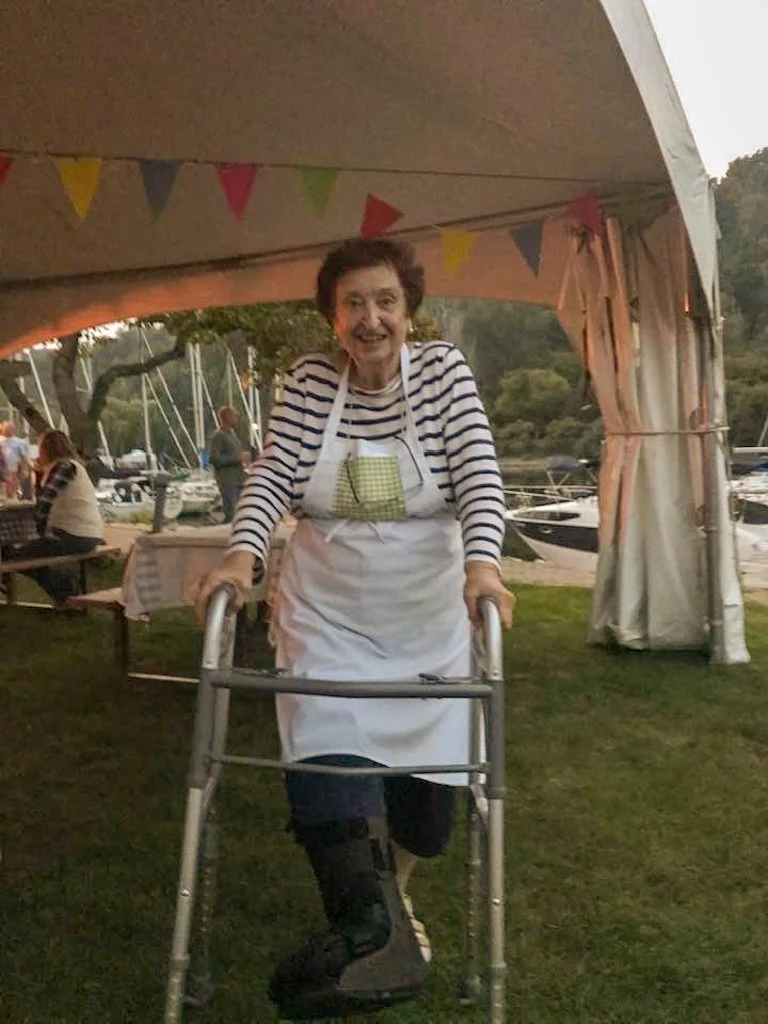
The National Yacht Club’s Able Sail program supports athletes with disabilities and recently grew to 75 participants. Royal Canadian Yacht Club maintains a fleet of 16 club owned boats specifically to reduce cost and access barriers.
Highland Yacht Club invested $45,000 to install a mobility lift elevator. Cathedral Bluffs Yacht Club has committed $160,000 to install a wheelchair elevator once leases are renewed.
These are not symbolic gestures. These are real investments in real access.
As one disabled sailor put it, accessible sailing in Toronto changed the entire course of their life, opening doors to sport, teaching, and community that simply did not exist before.
Environmental Stewardship, Not Just Recreation

Many Toronto boating clubs hold Blue Flag marina certifications, which require environmental education, sustainability practices, and pollution prevention standards.
Programs like Marine Clean and partnerships with organizations like Pollution Probe ensure that boating clubs are not just using the waterfront, but actively protecting it.
Clubs like the Toronto Windsurfing Club and Outer Harbour Sailing Federation focus heavily on human and wind powered craft, with thousands of boards and boats that have near zero environmental impact.
These clubs are not extractive users of the waterfront. They are some of its most consistent caretakers.
A City Powered by Volunteers
If there is one number that defines Toronto’s boating clubs, it might be this: Over 100,000 volunteer hours per year. That is not a typo.
Members volunteer to:
Run programs
Maintain facilities
Host regattas
Support charities
Teach sailing and rowing
Repair docks and boats
Manage events and safety
Highland Yacht Club alone sits in a basin that was built, shaped, and maintained by volunteers over decades. What exists today is not the result of a government project. It is the result of people showing up, year after year, and building something for their community.
Real Economic Impact
Boating clubs also contribute directly to Toronto’s economy.
Every year:
Over 500 young adults are employed as instructors, dock hands, and staff.
Millions are spent locally on materials, services, repairs, and equipment.
Visiting boaters bring money into neighbourhood businesses.
Members invest directly into facilities and infrastructure.
This is a quiet but meaningful economic engine, one that is rooted in local spending and local jobs.
The Lease Issue, And Why It Matters
Toronto’s boating clubs operate on leased land. They have always paid rent and taxes, and they will continue to do so.
What they are asking for is simple and reasonable:
Long term lease renewals, 20+ years
Rent increases capped at CPI
Why?
Because clubs are non profit. Every dollar of increased rent becomes higher membership fees and program costs. And those increases hit the most vulnerable first: seniors, youth, and people on fixed or limited incomes.
More than a quarter of boating club members are retired or on fixed incomes. Price them out, and you do not just lose members. You lose volunteers, mentors, instructors, and entire community programs.
Higher lease costs would also mean fewer subsidized youth programs, fewer accessibility investments, and fewer open doors to people who do not already see the waterfront as “for them.”
That would be a tragedy for a city that claims to care about access, inclusion, and public space.
Highland Yacht Club’s Role
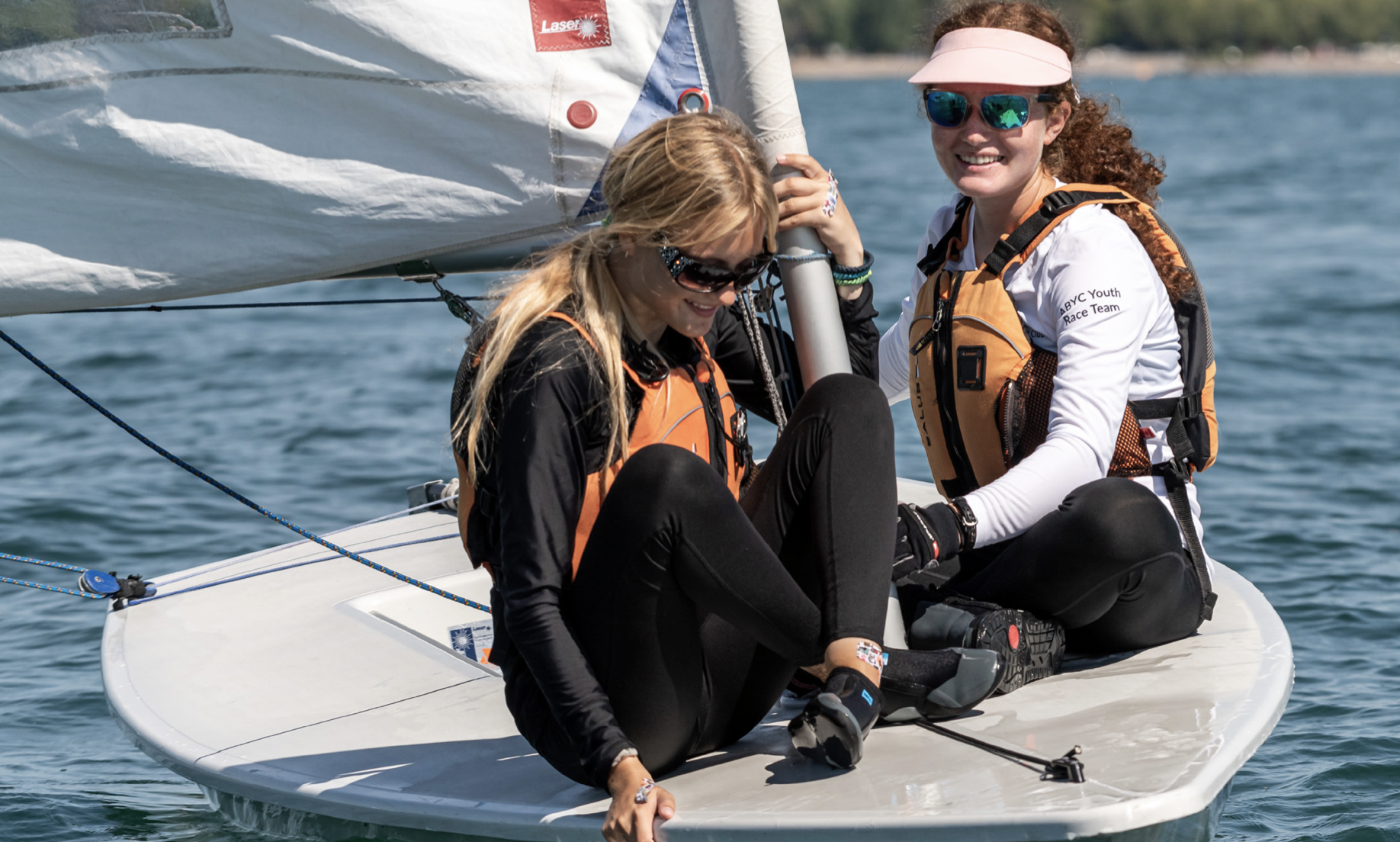
Highland Yacht Club is not an outlier. It is a perfect example of what these clubs represent.
A community built by volunteers. A place where people learn, teach, race, paddle, and belong. A place that invests in accessibility, youth, and the long term health of Toronto’s waterfront.
We are proud to be part of a city wide network that quietly delivers enormous value, often without recognition, and almost always without complaint.
The Bottom Line
Toronto’s boating clubs are not asking for special treatment. They are asking for stability so they can keep doing what they have been doing for decades:
Giving kids confidence and skills
Giving families affordable access to the water
Giving seniors a community
Giving people with disabilities real opportunities
Maintaining and improving the waterfront
And giving Toronto something that cannot be replaced once it is gone
Waterfront access is not luxury. It is part of what makes Toronto, Toronto.
And it is worth protecting.
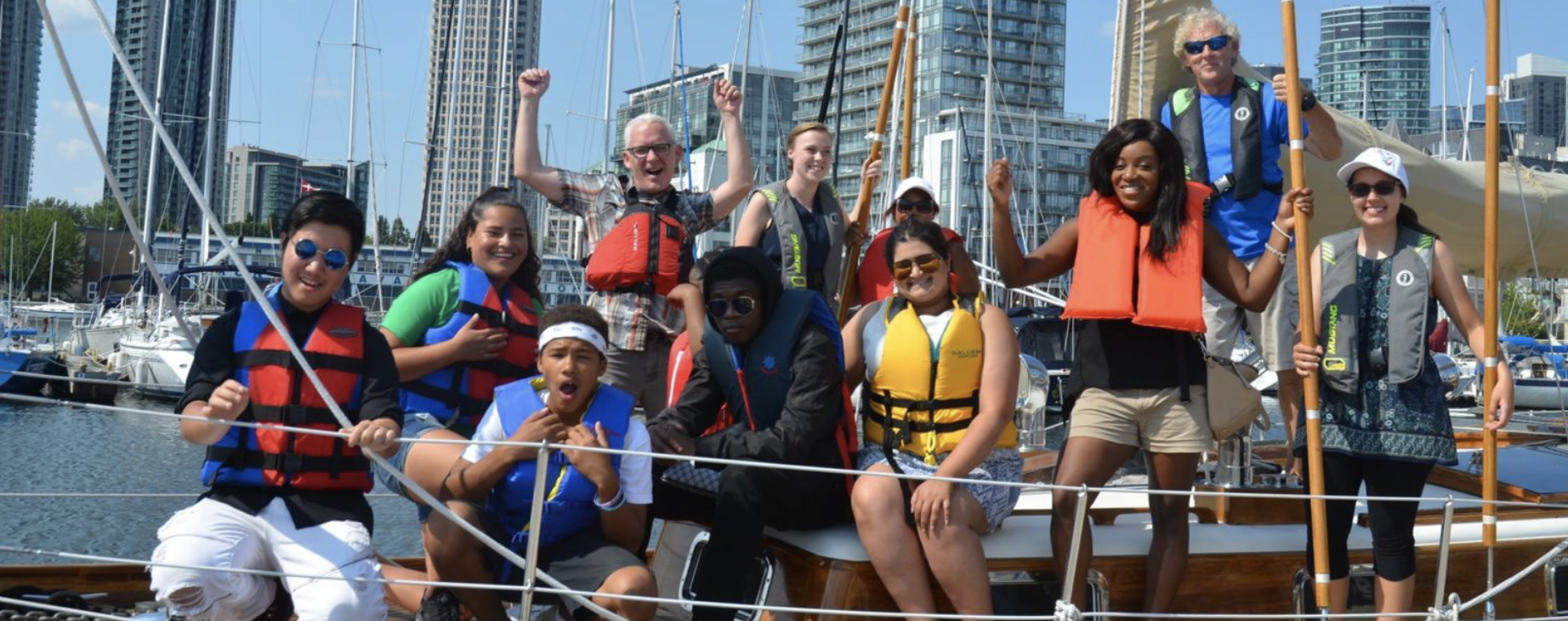
City of Toronto Club Quick Facts
| Facts | Stats | |
|---|---|---|
| Clubs involved with the same lease renewal date | 24 clubs | |
| Members, spouses and children that are direct users of the clubs | Over 13,000 | |
| Number of boats at these clubs | Over 4,200 | |
| Sailing dinghies, kayaks, canoes and SUPs | Over 1,500 | |
| Visiting boats to the clubs | Over 1,800 | |
| Youth Regattas hosted in 2023 | 5 with 690 participants | |
| Adult Regattas hosted in 2023 | 70 with 3,580 participants | |
| Youth participating in sail training and other programs offered by the clubs | Over 2,700 | |
| Amount club members spend annually to subsidize community youth participation in training and programs | Over $ 150,000 | |
| Number of adults that learned to sail at the clubs | Over 1,400 adults | |
| Number of hours members volunteered at their clubs | Over 100,000 hours | |
| Rent/Tax collected by the City from clubs | Over $ 1,160,000 | |
| Capital/Leasehold improvements in the last 5 years | Over $ 24 million spent | |
| Money raised for charity/amateur athletics | Over $ 250,000 |